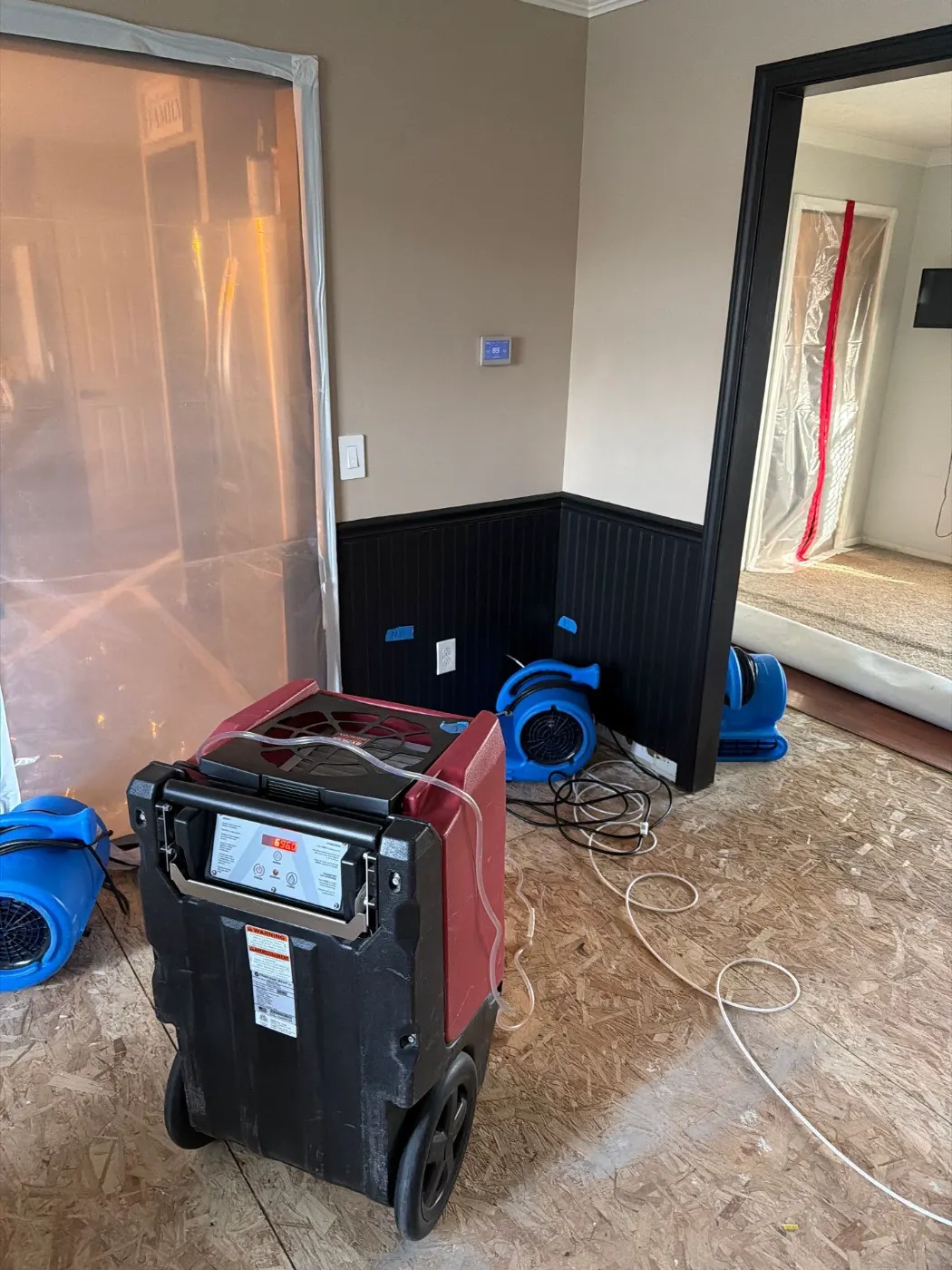
Hidden Water Damage Signs in Pebble Brook: Early Detection Guide

Hidden water damage rarely announces itself. In Pebble Brook homes, the first visible clue is usually weeks or months behind the actual leak, which means the structural wood, insulation, and drywall behind your finishes are already compromised. Pebble Brook Water Restoration built this technical walkthrough so you can run a methodical inspection of your property tonight, log what you find, and decide whether the situation needs a professional moisture mapping crew or just a plumber and a fan.
Every step below uses the same sequence our IICRC certified technicians follow on a paid inspection in Pebble Brook. You will not need specialized gear for most checks, though we note where a $30 moisture meter, a flashlight, and a thermal scan from your phone camera will sharpen your results. Work through the steps in order. Skipping ahead causes false negatives, because hidden moisture migrates downward and outward from the source, and the source is almost never where the stain appears. If at any point you find Category 2 or Category 3 water, stop the inspection, isolate the area, and call a restoration crew. Pebble Brook Water Restoration dispatches in Pebble Brook in most cases within 2 hours, and we will tell you directly if the damage is small enough to handle without us.
Why does hidden water damage matter so much in Pebble Brook?
Pebble Brook weather puts unusual stress on plumbing and building envelopes. Freeze thaw cycles in winter crack supply lines, humid summers pull condensation into wall cavities, and spring storms push groundwater against foundations. Hidden damage is dangerous because it compounds. Drywall absorbs moisture, framing stays wet, and within 48 to 72 hours mold spores activate. The 48 hour mold growth rule is not marketing language, it is the IICRC industry standard, and it is the reason early detection saves you thousands.
Where are the most common hidden leak locations in Pebble Brook homes?
The five spots we find leaks most often are under kitchen sinks, behind dishwashers, at the base of toilets, inside walls around shower valves, and at water heater connections. Older Pebble Brook neighborhoods with cast iron drains and copper supply lines are particularly prone to pinhole leaks. Crawl spaces are another major blind spot, since most homeowners never go down there. If your home sits on a slab, watch for warm spots on the floor that suggest a hot water line is leaking under the foundation. Washing machine supply hoses are another silent failure point, especially rubber hoses older than five years, which can rupture without warning and dump 500 gallons an hour into a laundry room.
How fast do I need to act once I find something?
Fast. The IICRC industry timeline is clear, mold can begin growing within 48 hours of materials becoming wet, and structural damage accelerates after 72 hours. Even a small leak left untreated for two weeks can require demolition of drywall, insulation, baseboards, and flooring. The cost difference is dramatic. A leak caught in week one might cost 800 to 1,500 dollars to dry and repair. The same leak at week six commonly runs 6,000 to 15,000 dollars once mold remediation and material replacement are factored in.
What are the earliest signs I should be watching for?
The first signs are almost always sensory, not visual. You may notice a musty smell when you walk into a specific room, particularly basements, closets, or laundry areas. You may feel a soft or spongy spot on a hardwood floor near a dishwasher or refrigerator. You may hear a faint hiss from a wall when the house is quiet at night. These small cues matter because by the time you see staining, the leak has already saturated insulation and likely begun affecting framing behind the surface. Pay close attention to changes in how a room feels underfoot, since a subtle dip or warp in laminate or engineered hardwood is often the very first physical evidence of a slow leak. Pets often react before humans do, sniffing or scratching at baseboards where moisture is accumulating behind the wall.
Will my homeowners insurance cover hidden water damage?
This is where things get nuanced. Most policies cover sudden and accidental damage, like a pipe that bursts overnight. They typically exclude long term seepage that the homeowner could have reasonably noticed. This is why documentation matters. Take dated photos, save your water bills, and call a professional quickly. Our breakdown of how to file a water damage insurance claim covers the exact steps and language to use with your adjuster in Pebble Brook.
What should I expect from a professional inspection?
A proper inspection from Pebble Brook Water Restoration takes within 2 hours. We walk the property, document moisture readings in writing, photograph thermal scans, and identify the source of the issue. You receive a written report with our findings, and if mitigation is needed, a transparent scope and price. If your situation does not require professional restoration, we tell you that. Honest assessment is the foundation of how we have built our reputation across central Indiana since 2018.
Are there preventive habits that reduce my risk year round?
Yes, and most cost nothing. Inspect under every sink in your home once a season, running your hand along the supply lines and trap to feel for any dampness. Replace washing machine hoses every five years with braided stainless steel versions. Test your sump pump twice a year by pouring a bucket of water into the pit. Keep gutters clean so storm runoff drains away from the foundation rather than pooling against it. In Pebble Brook, where freezing temperatures can hit hard in January and February, let interior faucets drip overnight when the forecast drops below 20 degrees, and disconnect outdoor hoses before the first freeze to prevent hose bibs from splitting inside the wall.
How do I read my water bill for hidden leak clues?
Pull your last six months of water bills and compare usage in gallons, not dollars. A consistent jump of 1,000 to 3,000 gallons per month with no lifestyle change almost always points to a hidden leak. A common test is to shut off every fixture in the home, then read the water meter, wait two hours, and read it again. Any movement at all confirms water is escaping somewhere in the system. In Pebble Brook, slab leaks and irrigation line breaks are the two most common culprits we trace through this method. A running toilet flapper can also waste 200 gallons a day silently, so dye test each toilet by adding a few drops of food coloring to the tank and checking the bowl 15 minutes later without flushing.
What visual clues should I look for on walls and ceilings?
Walk every room with good lighting and look for discoloration, bubbling paint, or hairline cracks that follow a downward path. Yellow or brown rings on ceilings often signal a roof or upstairs plumbing leak. Bowing drywall, especially near baseboards, suggests water is wicking up from a saturated subfloor. Nail pops in ceilings can also indicate the drywall has absorbed and released moisture multiple times. Peeling wallpaper seams, rust stains around drywall screws, and warped trim that has pulled away from the wall are all secondary clues that moisture has been present for weeks or months. If you find any of these, our guide on water damage behind walls and hidden leak detection walks through the next steps in detail.
When to Hand It Off
This walkthrough catches roughly 80 percent of hidden water damage in Pebble Brook homes, but borescope inspection, infrared mapping, and category testing require certified equipment. If your readings, photos, or instincts say something is wrong behind the wall, behind the cabinet, or under the slab, Pebble Brook Water Restoration will run a free moisture inspection at your Pebble Brook property and give you a written scope. No demolition until we agree on the plan, and if the damage is minor enough that you do not need us, we will tell you directly.
Can I detect hidden water damage myself or do I need professional tools?
You can absolutely do a first pass inspection yourself using your senses, your water meter, and a basic moisture meter from any hardware store for around 30 dollars. What you cannot do is see inside wall cavities or measure moisture levels in framing without professional equipment. Pebble Brook Water Restoration uses thermal imaging cameras and penetrating moisture probes that read up to two inches into drywall and subfloor. When something feels off but you cannot confirm it, that is when a free inspection makes sense. Our team can typically be on site within 2 hours of your call.
What does a hidden leak smell like?
Active hidden leaks produce a damp, earthy smell similar to wet cardboard. As the situation progresses, the smell shifts to a sharper, musty odor caused by mold colonies forming on the back of drywall or under flooring. If you walk into your basement and notice the air feels heavy or stale, that is your indoor humidity climbing above 60 percent, which is the threshold where mold can sustain growth. Trust your nose. We have responded to dozens of Pebble Brook homes where the homeowner said the smell was the only thing that tipped them off.
Frequently Asked Questions
How can I tell if water damage is active or old?
Active damage reads wet on a moisture meter, usually above 16 percent on drywall. Old damage is dry but stained. Pebble Brook Water Restoration techs in Pebble Brook use thermal imaging to confirm whether moisture is still present behind the surface.
How much does a hidden leak inspection cost in Pebble Brook?
A basic visual and moisture meter inspection from Pebble Brook Water Restoration is often free, especially if you suspect an active leak. Thermal imaging or borescope work runs $200 to $400 and is typically credited toward restoration if you move forward.
Will homeowners insurance cover hidden water damage?
Sudden and accidental leaks are usually covered. Long-term seepage and neglected maintenance are typically excluded. Documenting the discovery date with photos and a professional moisture report from a Pebble Brook restoration company strengthens your claim.
How fast can mold grow from a hidden leak?
Mold can begin colonizing wet organic materials within 24 to 48 hours. By 72 hours, visible growth is common. This is why early detection matters so much.
Do I need to tear out drywall to confirm a leak?
Not usually. Pebble Brook Water Restoration uses thermal cameras and pinless moisture meters to locate wet cavities without cutting. We only open walls when drying or repair requires it, and we always show you the readings first.
Have a restoration question?
Our IICRC certified Pebble Brook crew is ready to help. Free assessments, estimate based on what we can sees, no pressure.